Telemedicine Appointment Scheduler with Smart Triage
A scheduling platform that uses symptom-based triage to route patients to the right care level — reducing unnecessary ER visits and wait times.
Intermediate
Telemedicine Appointment Scheduler with Smart Triage
A telemedicine scheduling platform that guides patients through a structured symptom assessment before booking — routing them to the appropriate care level, whether that’s self-care guidance, a nurse consultation, a virtual GP visit, or an emergency referral.
Who Is This For?
Small and mid-size clinics managing telemedicine appointments alongside in-person visits
Telehealth startups needing a patient-facing triage and scheduling layer
Health systems looking to reduce unnecessary ER visits through better front-door routing
Healthtech developers building telemedicine products who need a triage engine
The Problem
Every year, millions of patients visit emergency rooms for conditions that could have been handled by a primary care physician, nurse hotline, or even self-care guidance. In the US alone, an estimated 13-27% of ER visits are potentially avoidable (RAND Corporation). The result: overcrowded ERs, long wait times, and inflated healthcare costs.
At the other end, telemedicine platforms often let patients book directly with any provider without any assessment of urgency. A patient with a mild headache books the same slot as a patient with chest pain. The scheduling system treats all appointments equally, wasting provider time on low-acuity cases while high-acuity patients wait.
The gap: existing telemedicine platforms (Teladoc, Amwell, Zoom for Healthcare) handle scheduling but don’t intelligently assess what level of care the patient actually needs before they book.
How It Works
The platform works in three steps:
Smart triage — The patient describes symptoms through a structured questionnaire. The system assesses urgency, suggests the appropriate care level, and provides self-care guidance for low-acuity cases.
Intelligent routing — Based on the triage result, the patient is routed to the right provider: self-care instructions, nurse consultation, scheduled GP appointment, urgent care, or emergency referral.
Scheduling — For cases requiring a provider, the system books the appointment with appropriate time allocation based on the assessed acuity.
Triage Levels
Level 1: Self-Care → Guided self-management resources Level 2: Nurse Consult → Phone/video with a nurse within 1 hour Level 3: GP Appointment → Scheduled virtual visit within 24-48 hours Level 4: Urgent Care → Same-day virtual or in-person visit Level 5: Emergency → Direct ER referral with alert to receiving facility
Symptom input — Patient answers structured questions about symptoms, duration, severity, and relevant medical history
Triage engine — Combines rule-based clinical algorithms with contextual assessment to determine urgency
Care routing — Routes the patient to the appropriate care level with clear next steps
Provider matching — For Level 2-4 cases, matches the patient with an available provider of the right specialty
Appointment booking — Books the slot with appropriate time allocation and pre-visit preparation instructions
Key Features
Structured symptom questionnaire — Adaptive questions based on patient responses, not a static form
Evidence-based triage — Built on validated clinical decision support algorithms (not AI guessing)
Multi-level routing — Five care levels from self-care to emergency referral
Provider matching — Matches patients to providers based on specialty, availability, and acuity
Wait time estimation — Patients see estimated wait times for each care level
Clinic dashboard — Real-time view of incoming patients by acuity level
Audit trail — Complete record of triage decisions for compliance and quality improvement
Compliance-ready architecture — Encryption at rest and in transit, access logging, audit trail (actual HIPAA compliance requires legal review and BAA agreements with infrastructure providers)
Structured symptom questionnaire for 10 common conditions
Rule-based triage engine with 5 care levels
Patient-facing scheduling interface
Provider dashboard with real-time queue
Basic appointment booking with calendar integration
HIPAA-compliant infrastructure
Implementation Approach
Phase 1: Triage Engine (Weeks 1-3)
Build the clinical rule engine for 10 common conditions (cold/flu, headache, back pain, skin rash, urinary symptoms, respiratory issues, GI issues, mental health screening, medication questions, follow-up visits). Implement evidence-based triage algorithms.
Phase 2: Patient Interface (Weeks 4-5)
Build the patient-facing web app with symptom questionnaire, triage results display, and appointment booking. Add wait time estimation and care level explanations.
Phase 3: Provider Dashboard (Weeks 6-7)
Build the clinic dashboard with real-time patient queue, acuity-based sorting, and provider calendar management. Add notification system for urgent cases.
Phase 4: Integration (Weeks 8-10)
Add EHR integration (FHIR), video call integration, and payment processing. Implement audit logging and compliance features.
Challenges and Tradeoffs
Clinical accuracy — Triage must be conservative (over-triage is safer than under-triage). The system should always err on the side of recommending professional care when uncertain. Clinical validation by licensed professionals is essential before deployment.
Regulatory compliance — Healthcare software is subject to HIPAA, state-specific telemedicine regulations, and potentially FDA oversight depending on classification. Legal and regulatory review is required before launch.
Provider adoption — Clinics need to trust the triage engine before routing patients through it. Start with advisory recommendations, not automated routing.
Liability — The tool assists clinical decision-making but doesn’t replace it. Clear disclaimers and clinical oversight are essential.
Why This Idea Is Different
Existing telemedicine platforms treat scheduling as a booking system — patients pick a provider and time. They don’t assess what level of care the patient needs before they book. This creates mismatches: patients with minor issues占用 provider slots while urgent cases wait.
This Idea adds a triage layer before scheduling, ensuring patients get the right care at the right level. Using rule-based clinical algorithms rather than black-box AI differentiates it from symptom checkers that lack clinical transparency.
What Similar Tools Exist
Tool
Approach | Limitation
| Teladoc | Provider scheduling | No triage before booking
Babylon Health | AI symptom checker | No scheduling integration
Ada Health | Symptom assessment | No provider routing
Infermedica | Clinical DSS API | API only, no patient interface
This Idea combines triage + scheduling + routing in a single platform, closing the gap between symptom assessment and care delivery.
Technology Stack
React + TypeScript — Patient and provider interfaces
Node.js + Express — API backend
PostgreSQL — Patient, provider, and appointment data
Redis + Bull — Real-time queue management
Twilio Video — HIPAA-compliant video consultations
Auth0 — Patient and provider authentication
AWS (HIPAA BAA) — Compliant cloud hosting
FHIR — EHR integration standard
Future Extensions
AI-enhanced triage — Add ML models trained on clinical data to improve triage accuracy
Insurance integration — Check coverage and estimate costs before booking
Prescription management — E-prescribing for appropriate conditions
Follow-up automation — Automated check-ins after virtual visits
Multi-language support — Triage questionnaires in multiple languages
This Idea describes a technology platform for healthcare scheduling and triage assistance. It does not provide medical advice. All triage decisions should be validated by licensed healthcare professionals. The system is designed to assist, not replace, clinical judgment.
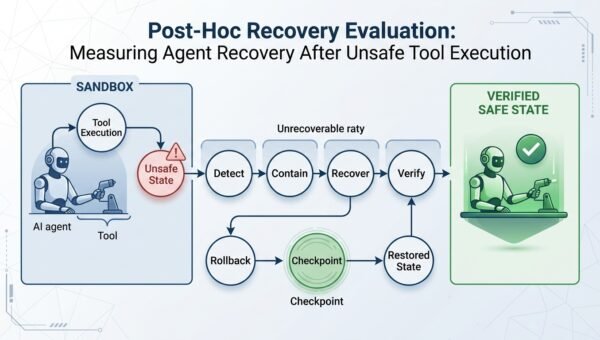
A research project that makes recovery a first-class evaluation object: injecting controlled, sandboxed unsafe-execution events into agent benchmarks and measuring...
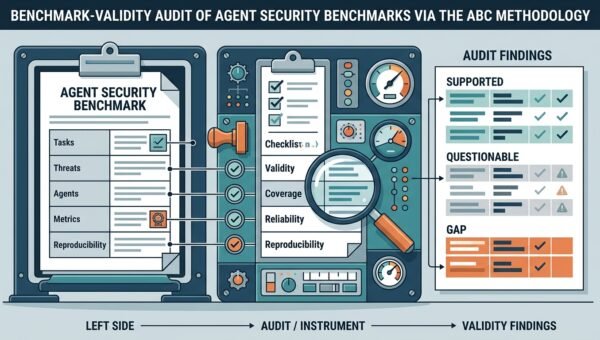
A research project that audits the measurement instruments themselves: applying the ABC validity-checklist methodology to agent-security benchmarks to find task-validity...
A team of developers, researchers, and innovators who review and publish practical ideas for builders and creators.
Published: September 3, 2026
Editorial Note: This idea was reviewed and published by the ItsMyIdeas editorial team. All content is checked for originality, accuracy, and practical value before publication.
A team of developers, researchers, and innovators who review and publish practical ideas for builders and creators.
Published: September 3, 2026
Editorial Note: This idea was reviewed and published by the ItsMyIdeas editorial team. All content is checked for originality, accuracy, and practical value before publication.